Table of contents
In an era when overtourism is forcing cities from Venice to Barcelona to rethink visitor flows, a quieter shift is taking hold in the travel world, one that is less about ticking landmarks off a list and more about learning how a place actually works. Travelers are turning away from the same crowded “must-sees” and toward experiences that unfold in kitchens, workshops, neighborhood streets, and small group encounters. The result is often unexpected: ordinary trips start behaving like life lessons, because the most durable memories tend to come from the moments you did not know to plan.
When the crowd fades, the city speaks
Why do some trips blur together while others stay sharp for years? The difference is often proximity, not to monuments but to daily life, the routines that define a city long after the tour buses have gone. The numbers explain the pressure: according to the UN World Tourism Organization, international tourist arrivals reached 1.3 billion in 2023, recovering to about 88% of pre-pandemic levels, and the rebound has been concentrated in the same iconic districts that were already straining. In Europe’s most visited capitals, local authorities have responded with caps on short-term rentals, limits on cruise arrivals, and stricter rules on tour groups, not as symbolic gestures but because the friction has become political, tied to housing, noise, and the survival of neighborhood commerce.
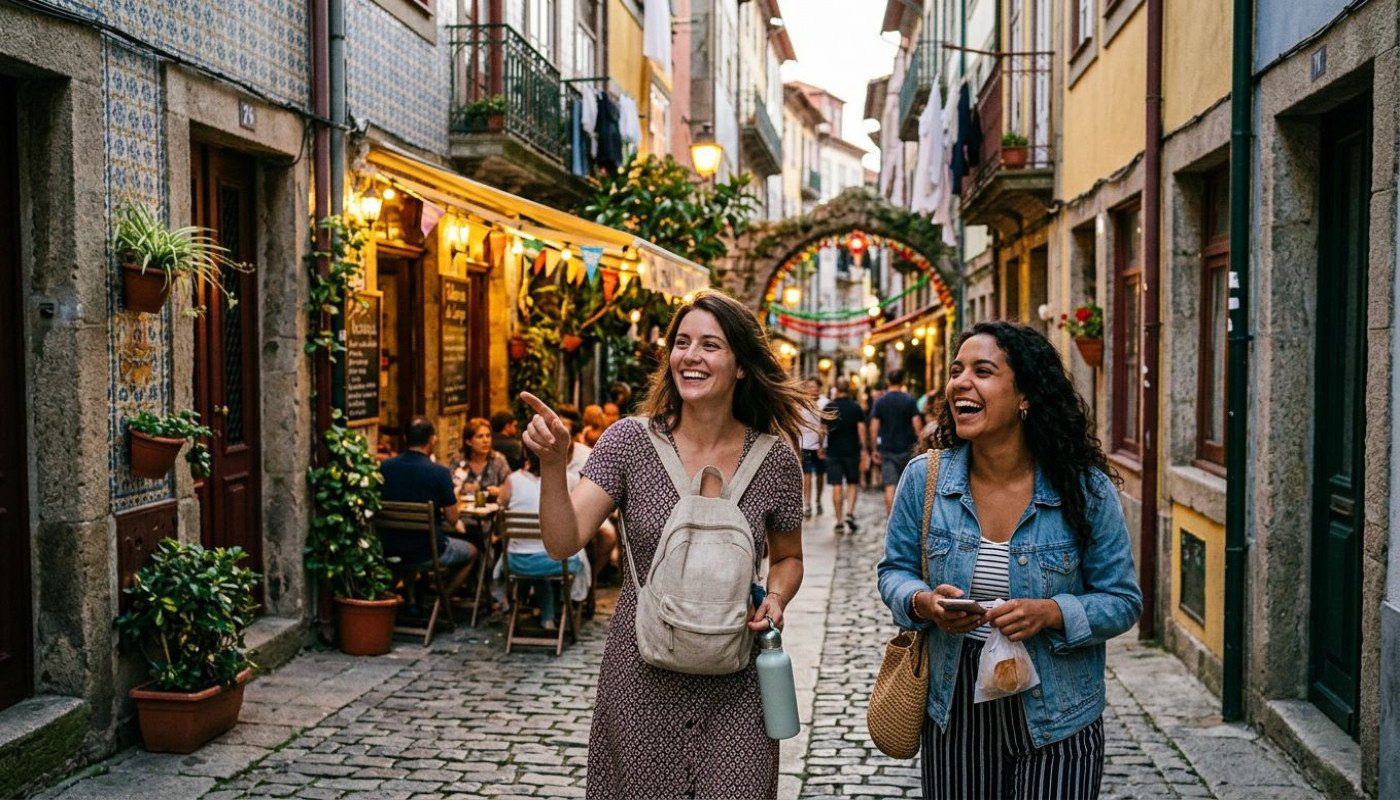
That context matters for the individual traveler, because “hidden” experiences are not just a romantic idea, they are a practical way to regain access to the city as it is lived. Step outside the main corridors and you notice how quickly the tempo changes: a barista greets regulars by name, markets turn into social clubs, artisans work to the rhythm of repeat customers rather than passing crowds. These are not scenes designed for you, and precisely for that reason they can teach you how to pay attention, how to ask better questions, and how to accept being momentarily lost without turning it into stress. A local-led walk through a residential quarter, for instance, can reveal why certain streets feel safe and others feel hollow, how public transport decisions shape social life, and why the city’s “best” food is often the plate that fits the day, not the one that photographs well.
There is also a cognitive shift at work. Researchers who study travel behavior note that novelty and active engagement improve memory retention, and hidden experiences are often novel because they resist standardization. You are not consuming a script, you are participating in a situation, even if that situation is as simple as learning the unspoken rules of a neighborhood café. Over time, those micro-lessons can travel home with you: patience in a line, confidence when navigating unfamiliar streets, and a more nuanced sense that culture is not a museum exhibit but a set of living choices. The city “speaks” once the crowd fades, and the traveler who listens comes back changed in small, useful ways.
The real souvenir is a new skill
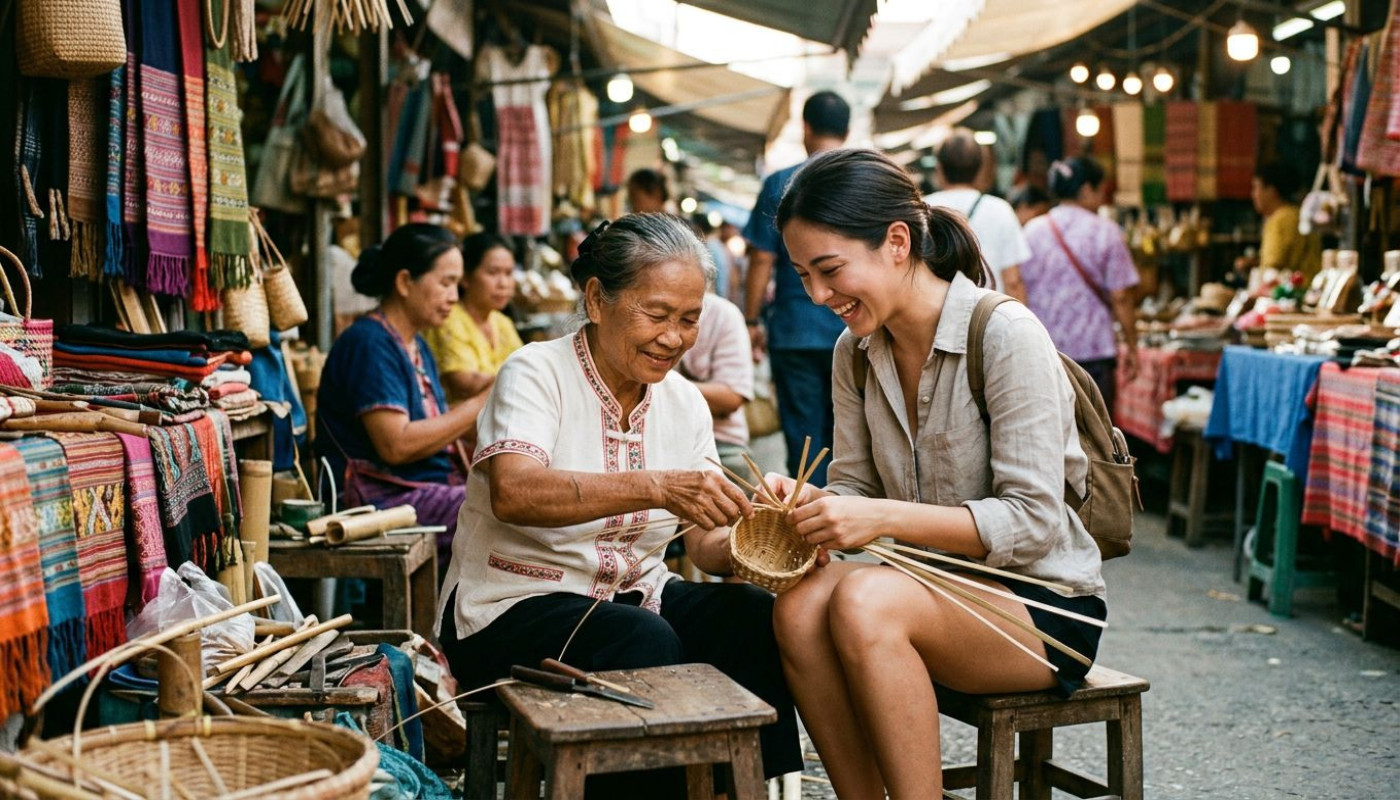
What if the best takeaway from a trip is something you can do afterward? Hidden local experiences tend to produce skills rather than objects, because they pull you into processes, not just places. A cooking session built around seasonal ingredients can teach you how to shop with constraints, how to improvise when a key item is missing, and how to taste with intention. A craft workshop can make you understand why handmade goods cost what they cost, and why “cheap” sometimes means costs shifted onto someone else’s time. Even a neighborhood food tour, when it is done with context rather than hype, can sharpen your ability to read a menu, ask questions across language barriers, and recognize regional differences without turning them into stereotypes.
These are not vague benefits, and travel data helps explain why they are gaining ground. The “experience economy” is no longer niche: platforms and operators have watched bookings for hands-on, small-group activities outpace traditional sightseeing in many urban destinations, partly because travelers are chasing personalization after years of algorithmic sameness. The post-pandemic surge of remote work has also stretched the definition of a trip, with more people combining vacations with longer stays, and longer stays naturally reward deeper engagement. When you have a week instead of a weekend, you start caring about where to buy bread, when the market is calm, and which side street feels like yours, and you become open to experiences that teach you competence, not just provide entertainment.
The most powerful lessons often come from friction. You mispronounce a word, you take a wrong turn, you feel the awkwardness of being the outsider, and then you learn to recover with grace. Local experiences provide a safer container for that learning, because a guide or host can translate not just language but etiquette, explaining why a gesture reads one way in your culture and another way in theirs. That is how a trip quietly becomes training in empathy. You return home better at listening, less certain that your habits are universal, and more comfortable with ambiguity, which is a skill that matters well beyond travel, especially in workplaces that span languages and time zones.
Small groups, big stories in Rome
Can a city as famous as Rome still surprise you? It can, but only if you let go of the idea that surprise must be monumental. Rome’s global image is built on the Colosseum, the Vatican, and postcard piazzas, yet most Romans live their lives far from those crowds, in neighborhoods where the soundtrack is scooters, morning markets, and children spilling out of school gates. The hidden Rome is not secret; it is simply not optimized for the day-tripper. That is why small-group, local-led experiences have become such a compelling way in, because they can connect you to places and people you would not find by following the highest-rated list online.
Take food, the obvious gateway, and look at it like a reporter rather than a tourist. A carbonara is not just a dish, it is a debate about technique, ingredients, and identity, and the debates tend to happen in ordinary trattorias, not in restaurants built for visitors. A walk that tracks the city through its bakeries, markets, and traditional shops can reveal how inflation has changed shopping habits, why some families still buy from the same counter after decades, and how neighborhoods defend their character through what they eat. Or consider the city’s craft traditions, from mosaic work to leather, which tell a story about tourism’s double edge: it can keep a skill alive through demand, and it can also cheapen it through imitation. Seeing that tension up close is an education in how economies really function on the ground.
For travelers who want that kind of access without stumbling into scams or low-quality tours, the safest approach is to choose operators that emphasize small groups, clear itineraries, and responsible pacing, and that actually name the neighborhoods and people involved rather than promising generic “authenticity.” One option is to explore experiences curated around local knowledge and human-scale encounters via https://www.rome-spirit.com, which frames Rome less as a checklist and more as a lived city, with the kind of structured guidance that still leaves room for serendipity. The point is not to “see everything,” because no one does, it is to see enough of the everyday texture that the famous sites stop being isolated icons and start feeling like part of a coherent place.
Rome, like many cities, is also dealing with the realities of modern tourism, including crowd management and the shifting balance between local life and visitor demand. A hidden experience can help you understand those stakes without turning your trip into a lecture: you notice which streets absorb tourism and which resist it, you learn the rhythms that locals protect, and you become more careful about where your money goes. The lesson is simple and durable: travel is not neutral, but it can be thoughtful, and thoughtfulness is often the difference between a trip that entertains you and a trip that educates you.
How to find the hidden, responsibly
Want the local version without the local backlash? Start with timing and scale, because those two choices shape almost everything else. Early mornings and weekday slots reduce pressure on crowded areas, and they also tend to produce better conversations, because hosts are less rushed and spaces feel less performative. Small groups matter for more than comfort; they reduce noise, allow questions, and make it easier to move through residential neighborhoods without turning a street into a stage. If an experience advertises unlimited availability at every hour, it may be optimized for volume rather than quality, and volume is exactly what many destinations are trying to manage.
Next, look for specificity. Responsible operators describe what you will do, where you will go, and what is included, and they do not sell “secret” places that are only secret until a video goes viral. They also set expectations about etiquette, from dress codes in religious sites to behavior in markets and apartment buildings. That is not scolding; it is the infrastructure of respect, and it protects both travelers and residents. When possible, prioritize experiences that keep spending local, whether through partnerships with small businesses, fair pay for guides, or transparent sourcing in food activities. These choices are not moral grandstanding, they are practical ways to ensure the experience you want still exists in five years.
Finally, treat hidden experiences as a complement, not a replacement. There is nothing wrong with visiting the major sites; they are major for a reason. The life lesson comes from balance: let the big monuments give you historical scale, then let the smaller encounters teach you how people live with that history every day. Ask yourself a simple question as you plan: will I remember this because it was famous, or because I did something I had never done before? If you can answer the second, you are on track. The most meaningful travel is rarely about escaping reality; it is about returning with sharper eyes, better habits, and stories that are yours because you earned them through attention.
Before you book, make it count
Reserve early for small groups, and aim for off-peak hours to keep the experience calm. Set a realistic budget that includes fair guide pay, transport, and a little flexibility for spontaneous stops. Check whether any city passes or local schemes apply to museums or transit, and ask operators about cancellation terms, meeting points, and accessibility, so your “hidden” moment stays smooth from start to finish.
Similar articles